This week in the lab we observed our fast-growing plants again. Our plants grew quite a bit more which I was not expecting. We have buds growing at the end of our stems, so hopefully, we will be seeing a flower soon. One of our leaves started looking a little yellow, which I was worried about last week since we did not water them.
Another thing in the lab that we did was looking at a 5E model activity. In this activity, we graded the activity using a rubric on a scale from 1-4. Altogether this activity that we were looking at was decent but could be improved.

I can see myself looking at a rubric like this to measure how interactive and engaging my activity is. The rubric has a section and rating for all of the 5 E's that should be modeled in a lesson. By analyzing my lesson plan, I can determine if it meets the standards I was aiming for, as well as see if it is something student-centered and interesting for my students.
What did you find clear and what was confusing?
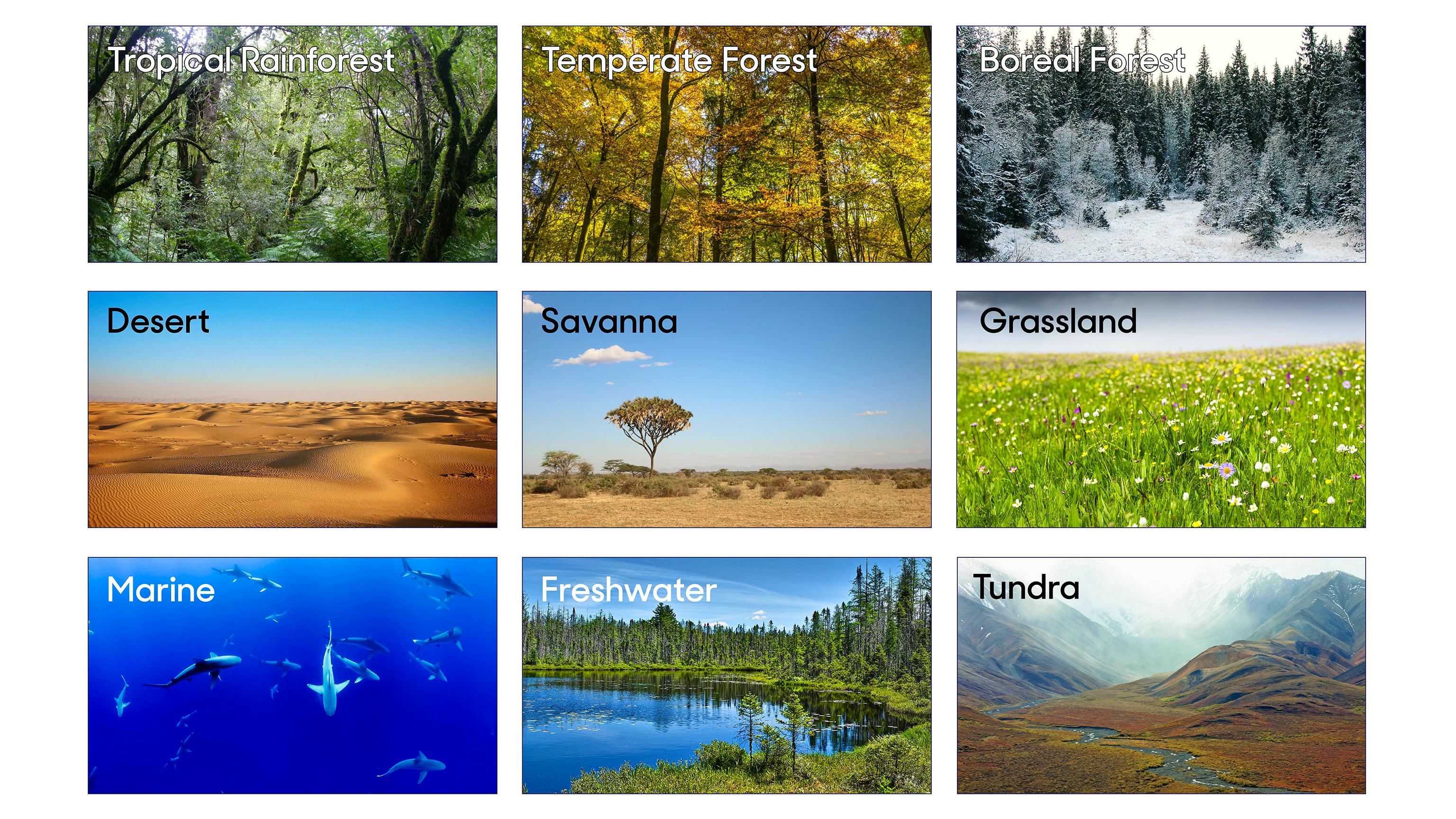
During the lab, we learned the differences between biomes, ecosystems, and habitats. I originally thought biomes and habitats were the same things but that was cleared up in the lab. It turned out habitat is a location where a group of one type of organism lives while a biome is a community of all the habitats in a given region. Then an ecosystem is a large land area with a distinct climate and plants and animal species exist. That was confusing for me to understand at first but now it is all cleared up. It is like a level that spills into each other. Biomes big picture→ to habitats→ to ecosystems (the smallest).
Hi Amber. Great job on this blog post. I enjoyed reading about your discoveries this week and how you were able to clarify the distinction between biomes, ecosystems and habitats. I think you pose a great question. I think in general a biome encompasses so many habitats that it would be hard to find two that are exactly the same.
ReplyDeleteHi Amber! Your clarification on biomes and habitats actually helped me a lot to understand what the difference is. The way you organized them with arrows showed me the difference. I think our group all had similar ideas when it came to the grading of the lesson we reviewed.
ReplyDeleteHi Amber! I really liked the 5E model and could also see myself using something like that in the future as well! I have never really thought about using a rubric to actually grade myself as a teacher, so I agree that is can be really helpful. I want to give my students the best lesson I can offer!
ReplyDeleteHi Amber! I loved how you clarified the different meanings of everything with biomes and habitats because I was a little confused when we first learned everything! I also can see myself using the 5E model within my future classroom and my future lessons. I think this model is really helpful and can be used in many different ways!
ReplyDeleteHi Amber! I loved your clarification between Biomes and habitats. It helped me to gain a better understanding, and made it easier for me to remember the difference between the two. I also like the idea of using a rubric to grade yourself. I will definitley be using that tactic in the future!
ReplyDeleteHi Amber! It seems like you have a good understanding of biomes and habitats. I liked your ideas on how to use this in your future classroom and I will also plan to do the same!!
ReplyDelete